

Cornrows: What to Expect (2–8 Weeks) and How to Make Them Last
By Hairfinity African Hair Artistry | October 27, 2026
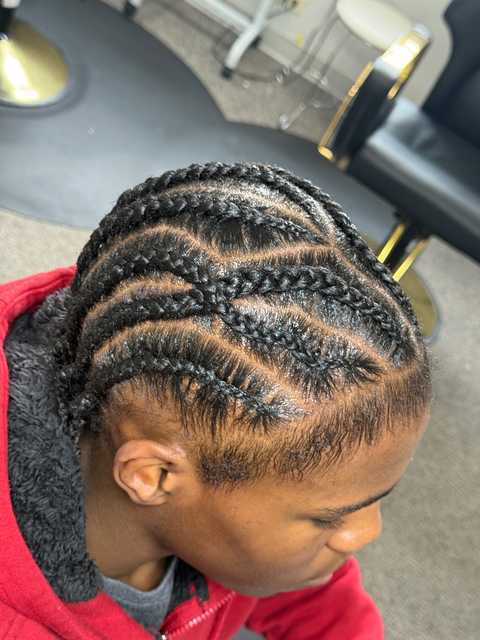
Cornrows typically last 2 to 8 weeks. The exact number depends on how small and tight the rows are, how you sleep on them, and what Madison weather is doing to your hair and scalp. I hear a version of “my hair has never looked so good” a lot after I finish a clean set, and that fresh, sharp look is what we’re protecting with smart care. I’m based in the Greenway Cross area on Madison’s near east side, and if you’re aiming for cornrows that stay neat past the first couple weeks, the plan starts on day one.
The 2–8 week cornrows timeline I see most often
Weeks 1–2: Crisp parts, smooth feed, and the style looks “new.” This is when a satin wrap at night makes the biggest difference.
Weeks 2–4: Most people start noticing a little frizz at the crown and hairline, especially with workouts, frequent washing, or humid summer days.
Weeks 4–6: The style can still look good, but you’ll usually see more new growth, and the “tight and fresh” feel is gone. This is a common window for a check-in.
Weeks 6–8: Smaller, tighter rows with careful nightly protection can make it here. Larger or looser rows often don’t. At this point, it’s usually time for a full redo to keep your natural hair happy.
Madison reality check: humid summers can push frizz faster, and cold winters bring hat friction plus drier scalps. Both can shorten your “neat” window if you don’t protect at night and keep your scalp clean.
A few other things shift your place in the 2–8 week range: your hair texture and density, how oily or dry your scalp runs, how often your hair gets wet, and the braid size I install. Clean parting matters too. When I’m thorough with sectioning and the parts are clean, the braid pattern tends to stay organized longer, even when the hairline starts fuzzing up.
My no-drama plan to make cornrows last longer in Greenway Cross
If you want cornrows that stay neat, the goal is simple: reduce friction, reduce swelling from constant wetting, and avoid buildup that makes the scalp itch. People come back to me because the work is done quickly and neatly, but the at-home care is what keeps that “just done” look going.
Nightly (takes 2 minutes)
- Wrap with satin or sleep on a satin pillowcase. Cotton steals moisture and creates frizz at the crown fast.
- Keep edges calm by smoothing with a light product, not a heavy wax. Heavy products look good for a day, then attract lint.
- Protect the braid direction. If you toss and turn, a bonnet that stays put is usually the difference between week 2 frizz and week 4 neat.
Weekly (or every 10 days for very dry scalps)
- Clean the scalp gently with diluted shampoo on a cloth or applicator bottle. Focus on the parts, then rinse well.
- Dry thoroughly. Sitting in damp braids is one of the quickest ways to get frizz and that “puffy” look.
- Use light moisture. A small amount of leave-in spray or scalp oil goes a long way. Too much product causes buildup that makes you want to scratch.
If you added hair (cornrows with hair extensions)
Added hair can help the style look fuller and can sometimes keep the braid looking uniform longer, but it also holds product and moisture. Keep cleansing light and make sure the braids dry all the way through. If you’re choosing a style with crochet hair added, plan for a little extra drying time after washes.
“Great experience, braids were low tension and gorgeous!”
one of our regulars
Low tension matters for comfort and for longevity. If your scalp is irritated, you’ll touch the style more, scratch more, and that speeds up frizz and loosening. When you sit in my chair, tell me right away if anything feels too tight. I’d rather adjust than have you fighting your hair for the next three weeks.
If you want to compare braid options beyond cornrows, I’ve got a full breakdown on our braids services in Greenway Cross.
4 ways cornrows lose their look early (and the quick fix)
- Humidity frizz: Summer in Madison can puff braids up fast. Wrap at night, keep products light, and avoid constantly re-wetting the hairline.
- Frequent soaking: Daily wetting swells hair and loosens the base. If you wash often, keep it gentle and dry completely.
- Heavy oils and butters: They attract lint and cause buildup at the parts. Use less than you think you need.
- Friction: Hats, hoodies, and rough pillows rough up the top and edges. Satin under hats in winter helps a lot.
I’m honest about this part: some frizz is normal. Cornrows are meant to be lived in. The goal is keeping the base neat, your scalp comfortable, and your natural hair protected until it’s time to refresh.
When I recommend rebooking: a 3–4 week check and a 6–8 week redo
If you want your cornrows to look good and keep your hair in good shape, I like this schedule:
At 3–4 weeks: a quick maintenance check. This is when you’ll know if the hairline needs a refresh, if there’s buildup starting, or if tension needs attention.
By 6–8 weeks: a full redo for most people. Going longer can lead to matting at the roots and more breakage during takedown, especially if the scalp has been itchy and scratched.
If you’re on a tight schedule: I’m in the Greenway Cross area near East Towne and the Beltline, so it’s simple to fit in a cornrow appointment around a UW class day or a commuter schedule.
A lot of my returning clients make the drive in from Monona, Fitchburg, Middleton, Shorewood Hills, Maple Bluff, and McFarland because they want neat parts, low tension, and a clean, comfortable space.
Ready for a set that actually fits your timeline? Call +12627313100 or email marionhairfinity@yahoo.com, and tell me how many weeks you want to get out of it and what your normal wash routine looks like.
Address: 1502 Greenway Cross, Madison, WI 53713-3173