

Sew in's with a frontal or closure: real timeline and care plan
By Hairfinity African Hair Artistry | September 8, 2026
Serving Madison, WI, including the Greenway Cross area on the near east side.
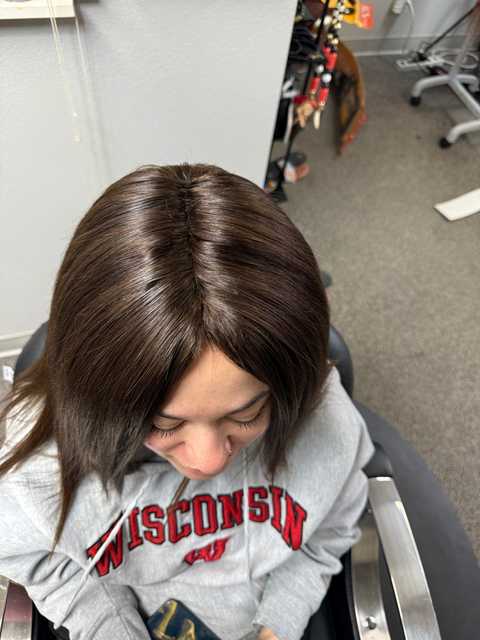
I hear it all the time: you want sew in's that look fresh, feel good, and actually last. In real-life wear, a sew-in with a frontal usually lasts about 6 to 10 weeks, and a closure often reaches 8 to 12 weeks when you keep up with scalp care and protect the hairline. People come in telling me “my hair has never looked so good, ” and that’s the standard I aim for every time in Madison.
6 to 12 weeks is realistic, but the details decide where you land
Here’s the honest breakdown. Frontal installs tend to need attention sooner because the hairline area gets the most friction, styling, and tension. Closures are a little more forgiving because there’s usually less manipulation right at the edge. If you want the upper end of the range, installation quality and maintenance have to work together.
What pushes a frontal toward 6 weeks instead of 10
- Frequent heat at the hairline or heavy edge work that builds up fast
- High perspiration, gym schedules, or summer humidity that lifts and frizzes
- Rough hat friction in winter, plus dryness that makes hair tangle sooner
Madison’s four-season climate matters more than people think. Summer humidity around the lakes can make closures and frontals swell and frizz if you’re not sealing moisture correctly. Winter dryness, scarves, and hats can rub the hairline daily. I’m in the Greenway Cross area near East Towne and the Beltline, so I see both patterns all year.
My simple weekly care plan for sew in weave extensions that stay neat
If your goal is longevity, you don’t need a complicated routine. You need consistency and light hands, especially around the frontal hairline. People notice when the parts are clean and the work is thorough, and that same “clean parts” mindset has to continue at home.
Key Insight: The fastest way to shorten sew in weave hair extensions is product buildup at the roots. Keep the scalp clean and the hairline protected, and the style tends to behave.
Once a week: cleanse the scalp, not the tracks
- Use a diluted sulfate-free shampoo and focus on the scalp and parting spaces. I like a squeeze bottle method so you’re not roughing up the install.
- Rinse longer than you think you need to. Leftover shampoo is a big reason people itch, flake, and start scratching at the hairline.
- Condition the hair lengths, not the base. Heavy conditioner and oils at the root area can loosen knots and make tracks slip.
Nightly: protect the hairline and the middle part
- Tie down the frontal or closure area with a satin band. Then use a satin bonnet or pillowcase. This is the easiest fix for frizz.
- If you wear a middle part sew in weave, keep the part flat at night. A light wrap keeps that part looking “fresh installed” longer.
- Keep heat low. Air-dry when you can, and if you blow dry, aim for low to medium with controlled tension.
The 4 early warning signs your sew in hair needs help
Most sew-in problems don’t start all at once. They show up as small changes you can feel and see.
- Loose knots or lifting at the front. That’s usually friction plus buildup.
- Tightness at the hairline. Don’t push through it. Tension is not the price of beauty.
- Matting at the base. This happens when moisture sits too long or when the install isn’t being dried well after washing.
- A “puffy” look at the roots. Usually it’s time for a cleanse, a blow-dry reset, or a maintenance visit.
If you’re dealing with lake humidity in summer or heavy hat season in winter, these signs can show up sooner. That’s normal. It just means your cadence needs to match your real life.
When to book your 6 to 8 week check-in in Greenway Cross (and why it saves edges)
I recommend a maintenance check around week 6 to week 8 for most frontal installs, even if it still looks good. That appointment is where I can spot tension, clean up buildup, and keep your natural hair protected before you feel like you “have to” take it out. Closures often stretch longer, but I still like checking in before the base starts matting.
A lot of people around Greenway Cross value efficient after-work and weekend scheduling, so I always suggest reserving that 6 to 8 week slot when you book your install. It’s the easiest way to keep your sew in weave hair extensions looking consistent without last-minute stress. I also see plenty of visitors driving in from Monona, Fitchburg, Middleton, Shorewood Hills, Maple Bluff, and McFarland, and planning ahead makes the trip feel worth it.
Ready for a sew-in that stays neat? My sew-in weave with frontal or closure appointment is 150 minutes and $120. If you tell me your day-to-day, gym schedule, and how you like to wear your part, I’ll guide you toward a frontal or closure choice that makes sense for your wear time.
You can also browse weaves and plaits in Greenway Cross, check out our hair gallery, or view our services list before you reach out.
Call: +12627313100 | Email: marionhairfinity@yahoo.com | Visit: 1502 Greenway Cross, Madison, WI 53713-3173
Quick answers before you commit to sew in hair
How long does a sew-in weave with a frontal last compared to a closure?
A frontal usually lasts 6 to 10 weeks. A closure often lasts 8 to 12 weeks because it typically has less hairline friction and less daily manipulation. Your routine and the season in Madison can move you up or down in that range.
How often should I get a sew-in with a frontal tightened or redone?
Plan a check-in around 6 to 8 weeks for most frontals. A full redo makes sense when you see slippage, matting at the base, thinning near the hairline, or you can’t get the scalp clean without disturbing the install.
Can I swim, sweat, or exercise with a sew-in frontal or closure?
Yes, but you’ll want a plan. Sweat and humidity can create frizz and buildup, especially around the frontal. Rinse the scalp after heavy sweating when you can, keep products light at the roots, and make sure the base fully dries.
Will a frontal sew-in damage my natural hairline or edges?
It doesn’t have to. Damage usually comes from too much tension, repeated friction, and ignoring early tightness. Let me know if you’re edge-sensitive so I can keep tension low and give you realistic styling boundaries while you’re wearing it.
What is the correct washing routine for a sew-in weave with a frontal or closure?
Once a week is a solid baseline for most people. Use diluted sulfate-free shampoo on the scalp and parts, rinse thoroughly, condition the lengths only, then air-dry or use low heat until the base is completely dry.
What should I ask for if I want a middle part sew in weave?
Tell me you want a middle part and how flat you like the top. Then we’ll talk through closure versus frontal based on how often you switch parts, how you feel about baby hairs, and how much time you want to spend styling the hairline each week.
Are sew in weave extensions and sew in weave hair extensions the same thing?
People use those phrases interchangeably. The bigger decision is the base, frontal or closure, and how you care for the scalp and hairline so your install stays clean and secure.
What does “sew in hair” mean for day-to-day upkeep?
It means the hair is installed to last for weeks, so day-to-day upkeep should be gentle. Protect it nightly with satin, keep product light at the roots, and don’t wait until it’s uncomfortable to schedule your check-in.